A well-designed kitchen layout can transform the heart of your home. It enhances functionality, improves workflow, and creates an inviting space for cooking and gathering. The right layout maximizes efficiency while reflecting your personal style and needs.
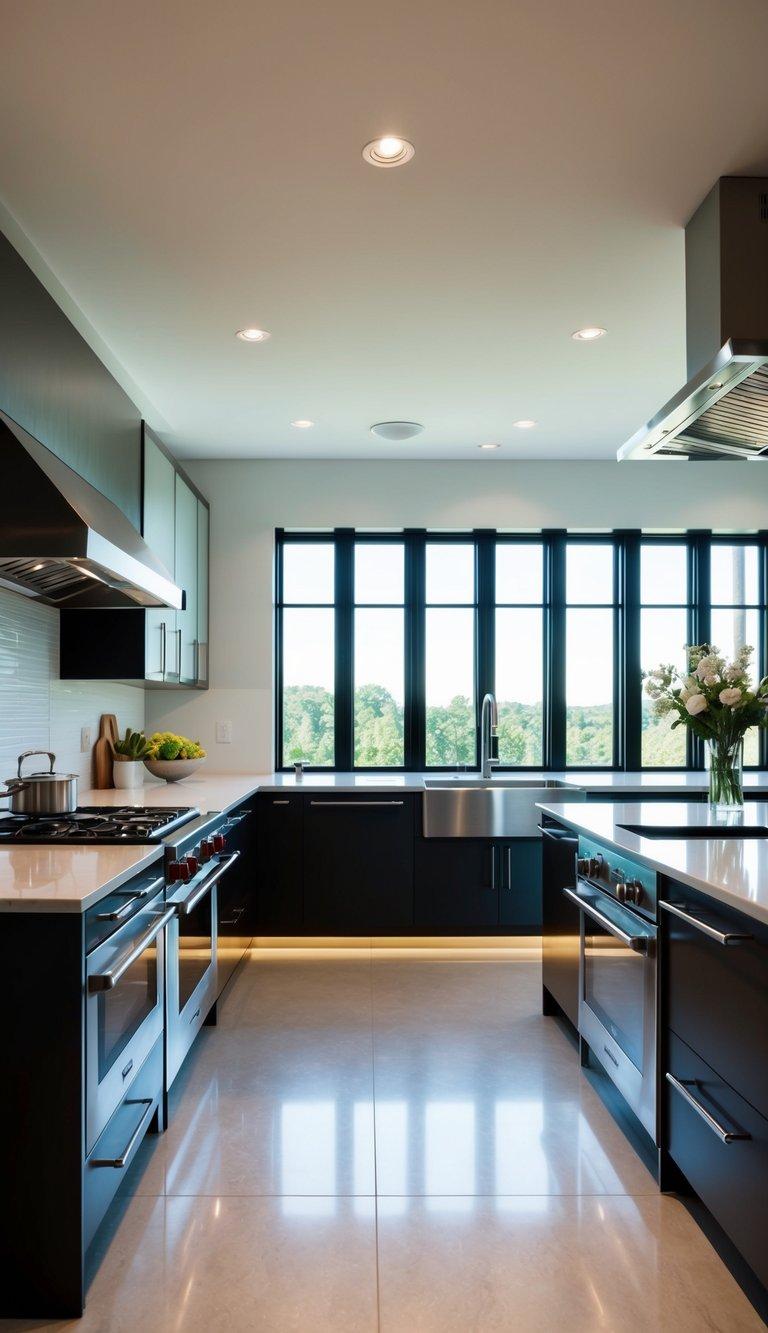
Kitchen layouts come in various configurations to suit different spaces and preferences. From classic galley designs to open-concept plans, there are options for every home size and shape. Careful consideration of traffic flow, work zones, and storage needs is key to creating an optimal kitchen layout.
1. Open-Concept Kitchen
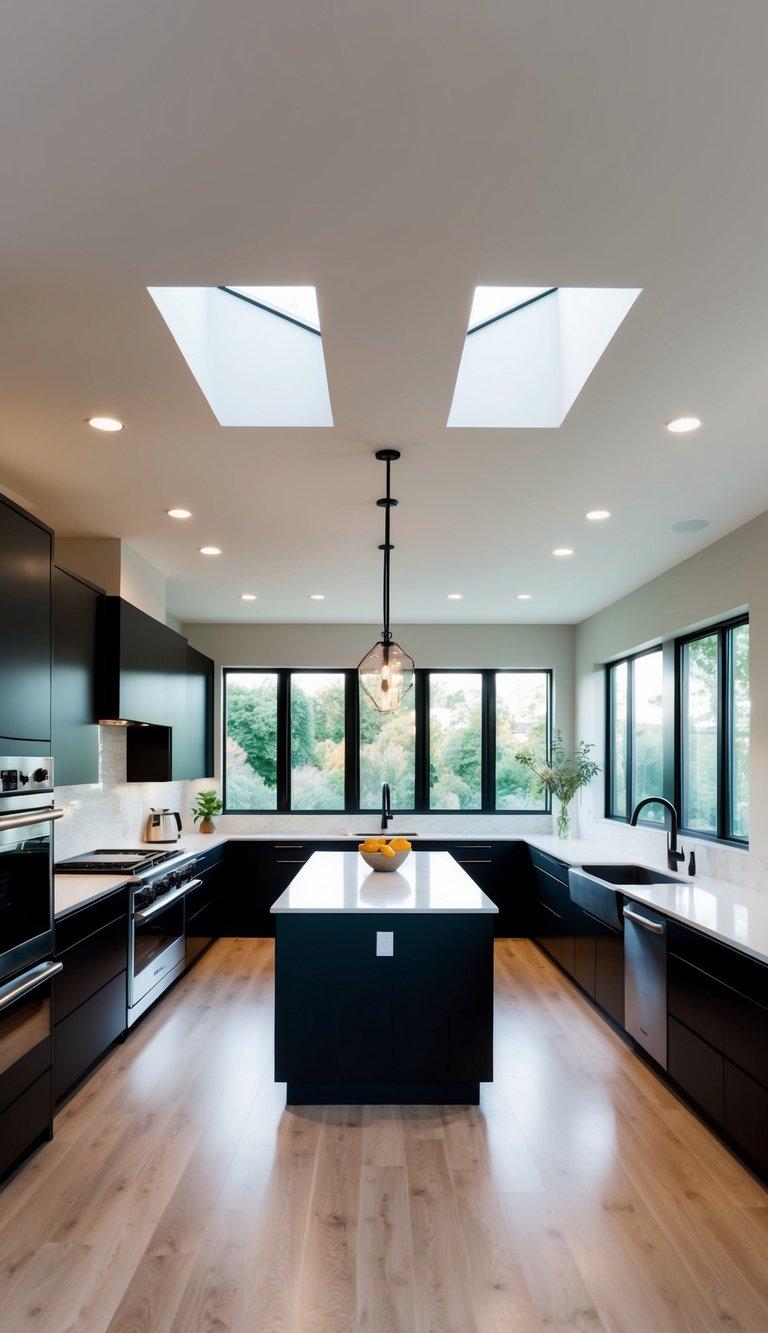
Open-concept kitchens have gained popularity in modern home design. This layout removes walls between the kitchen and adjacent living spaces, creating a seamless flow.
The design promotes interaction between family members and guests while cooking or entertaining. It allows natural light to spread throughout the area, making the space feel larger and more inviting.
Open-concept kitchens often feature islands or peninsulas that serve as focal points and multifunctional spaces. These elements provide additional workspace, storage, and casual seating options.
2. Galley Kitchen
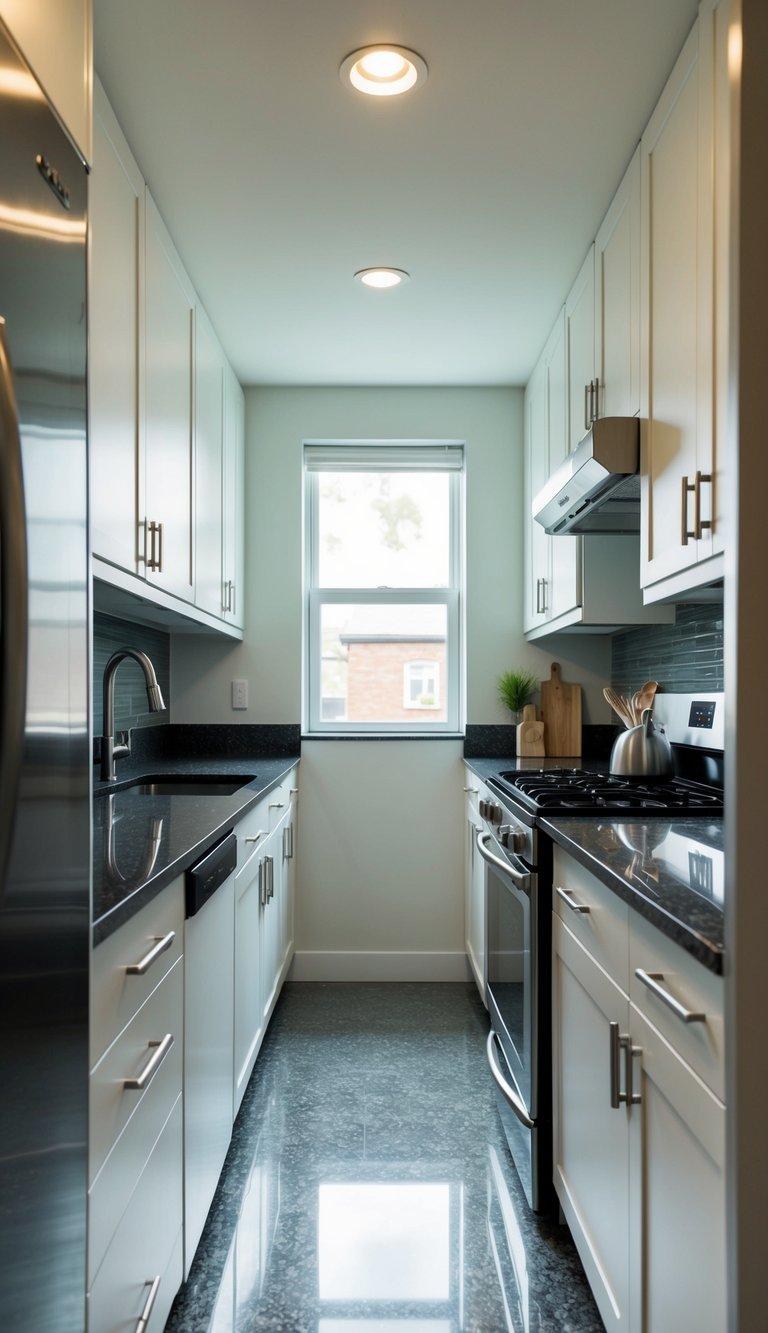
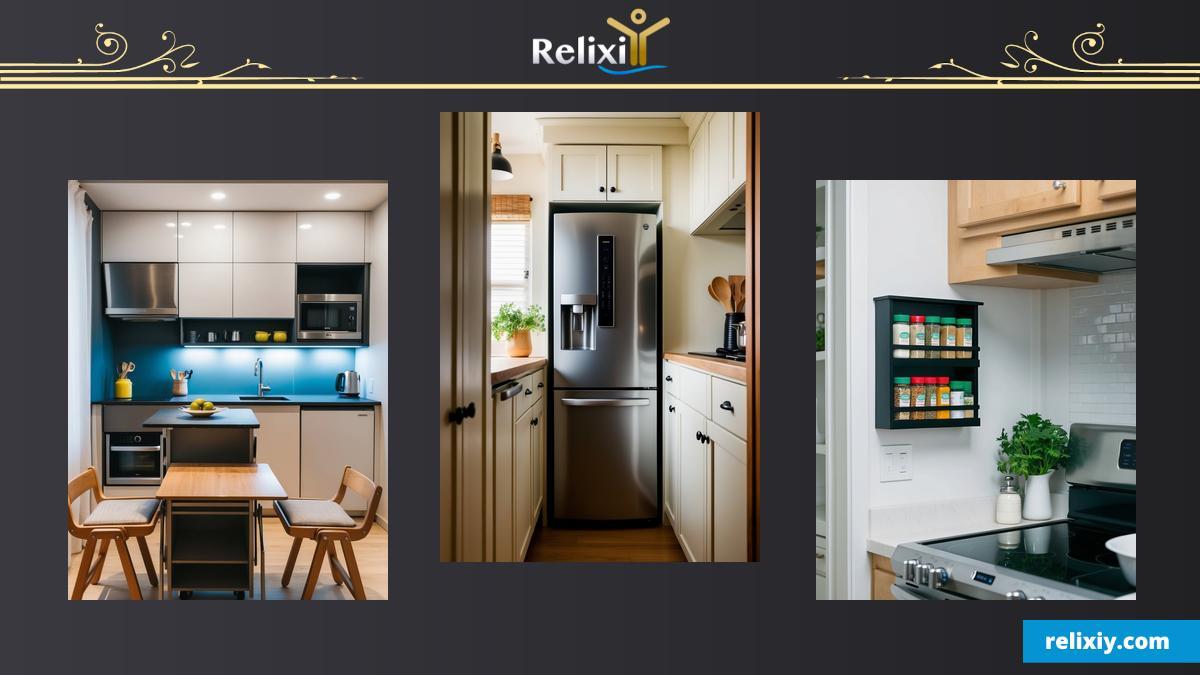
Galley kitchens are efficient and compact layouts that maximize space in narrow areas. This design features two parallel walls of cabinets and appliances, creating a central corridor for movement.
Galley kitchens work well in smaller homes or apartments where space is limited. They offer ample storage and counter space along both sides, allowing for a streamlined workflow.
One key advantage of galley kitchens is their ability to fit all essential elements within a confined area. Proper placement of the sink, stove, and refrigerator creates an effective work triangle for cooking and meal preparation.
3. L-Shaped Kitchen
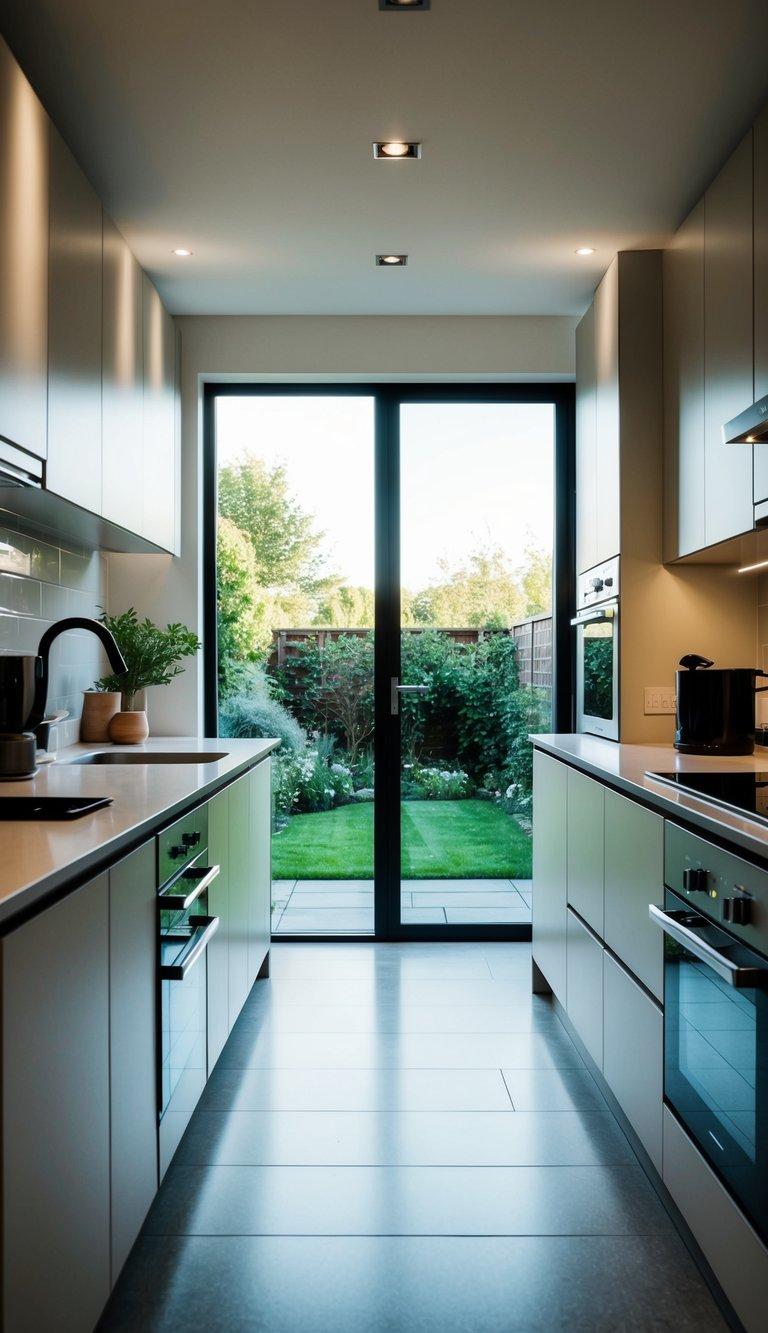
L-shaped kitchens utilize two adjacent walls to create a functional workspace. This layout offers ample counter space and storage options, making it ideal for both small and large kitchens.
The design allows for an efficient work triangle between the sink, stove, and refrigerator. It often provides room for a dining area or island, enhancing the kitchen's versatility.
L-shaped kitchens can accommodate multiple cooks comfortably. They also offer flexibility in appliance placement and cabinetry arrangements. This layout maximizes corner space, reducing wasted areas in the kitchen.
4. U-Shaped Kitchen
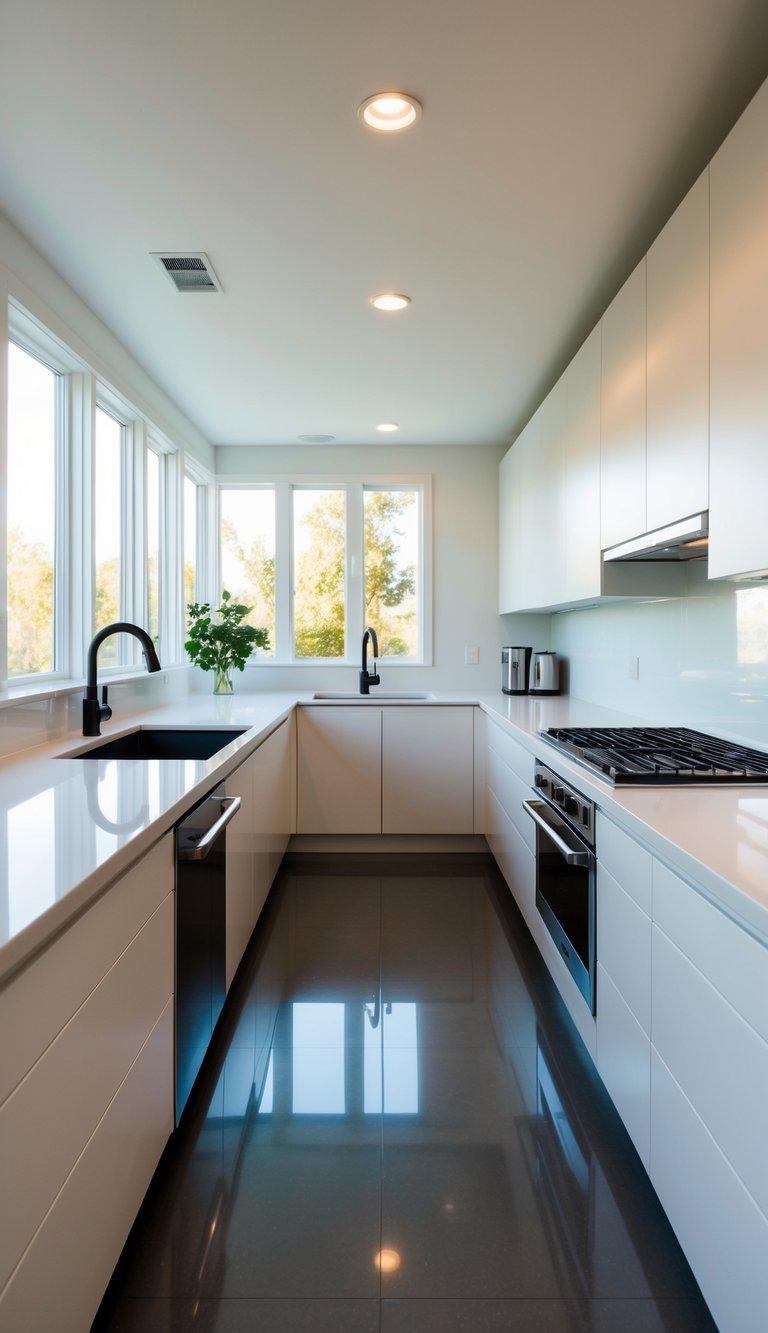
U-shaped kitchens offer a highly functional layout with three walls of cabinets and appliances. This design provides ample counter space and storage options, making it ideal for larger kitchens or open-plan living areas.
The U-shape creates a natural workflow, allowing for easy movement between the sink, stove, and refrigerator. This efficient "work triangle" helps streamline cooking tasks and meal preparation.
With cabinets and countertops on three sides, U-shaped kitchens maximize storage capacity. They can accommodate multiple cooks comfortably, making them suitable for families or those who enjoy entertaining.
5. Peninsula Layout
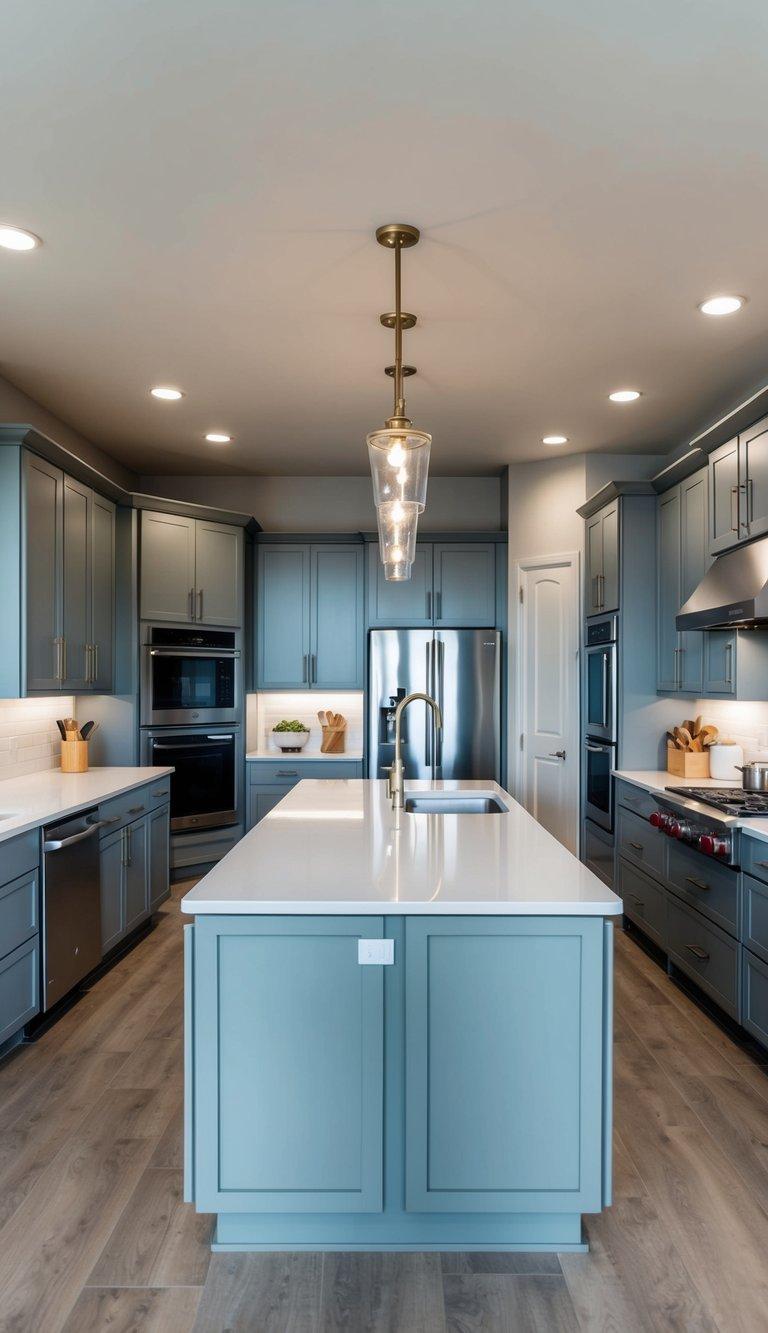
A peninsula layout offers a versatile solution for kitchens with limited space. This design features a connected countertop that extends from a wall or cabinet, creating an L-shaped or U-shaped configuration.
The peninsula serves multiple functions, acting as a food preparation area, casual dining spot, or additional storage space. It provides a natural division between the kitchen and adjacent living areas without the need for a full wall.
Peninsula layouts enhance workflow by offering easy access to different kitchen zones. They also facilitate social interaction, allowing the cook to engage with family or guests while preparing meals.
6. Island Kitchen
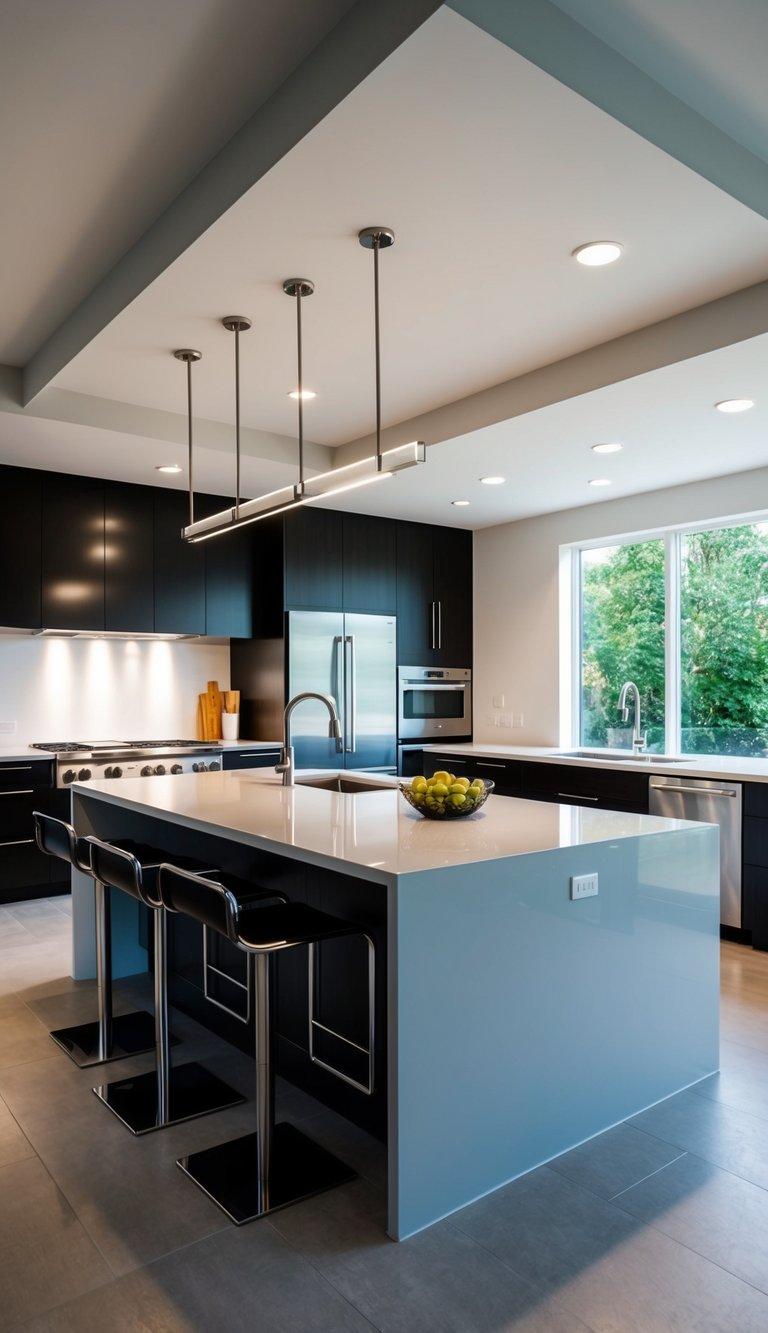
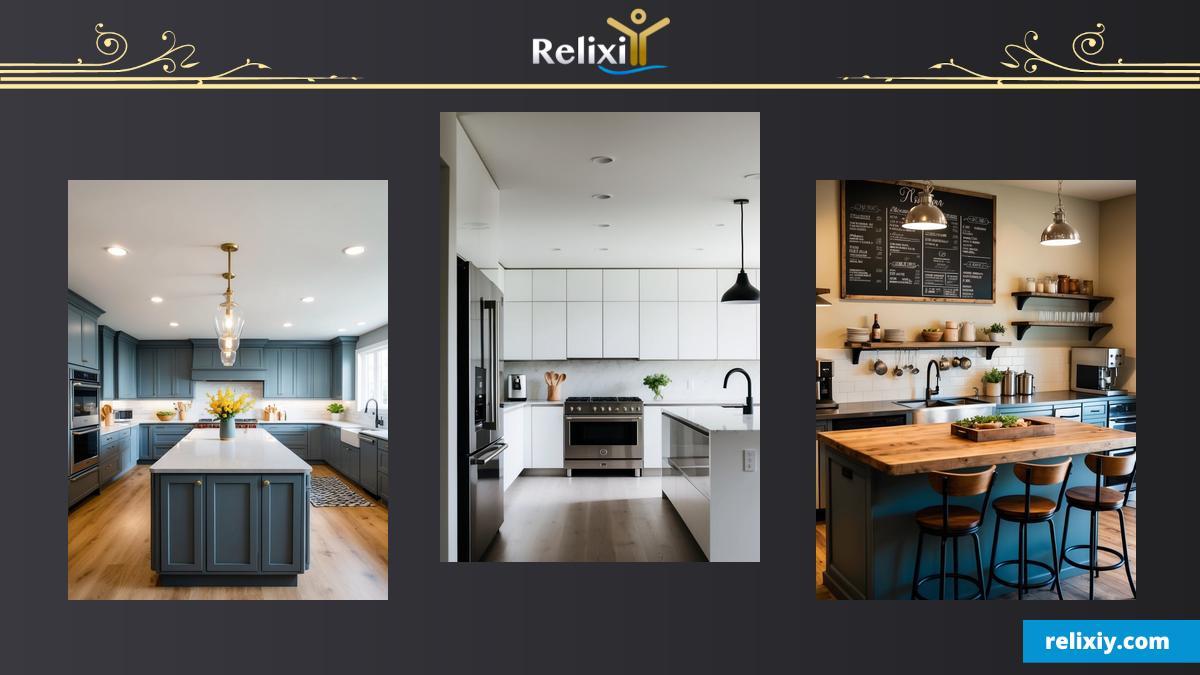
Island kitchens feature a freestanding workspace in the center of the room. This versatile design element serves multiple purposes, from food preparation to casual dining.
Islands often incorporate storage options, including drawers, shelves, or cabinets. They can house appliances like sinks, cooktops, or dishwashers, enhancing functionality.
Many homeowners opt for islands with extended countertops to create a breakfast bar. This addition provides extra seating and encourages social interaction while cooking.
Islands come in various sizes and shapes to suit different kitchen layouts. They can be customized with materials that complement or contrast the rest of the kitchen's design.
7. G-Shaped Kitchen
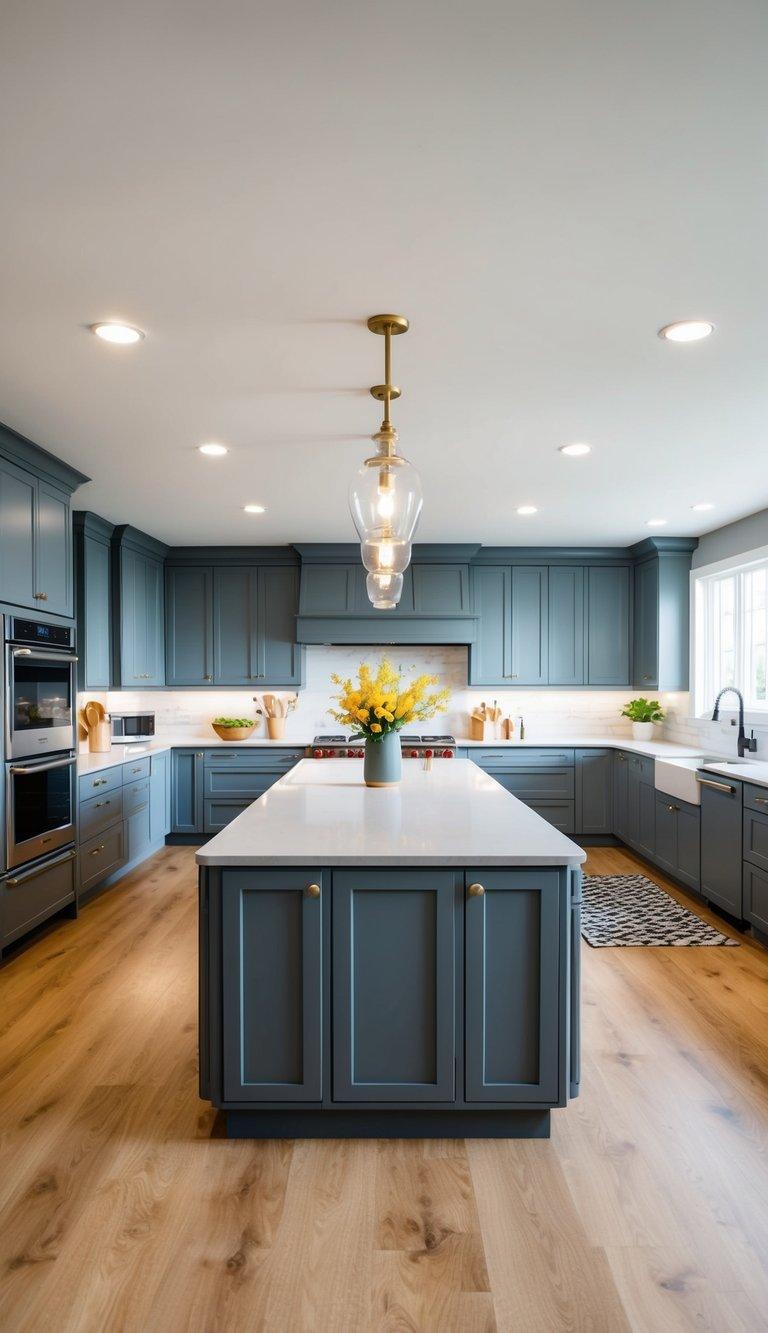
G-shaped kitchens offer a unique layout that combines functionality with ample workspace. This design features three walls of cabinetry and appliances, with an additional partial fourth wall or peninsula.
The extra counter space provided by the G-shape allows for multiple work zones. It's ideal for homes with larger kitchen areas and families who enjoy cooking together.
G-shaped kitchens typically include a dedicated dining area within the layout. This creates a seamless flow between food preparation and dining spaces, perfect for entertaining guests while cooking.
8. Single-Wall Kitchen
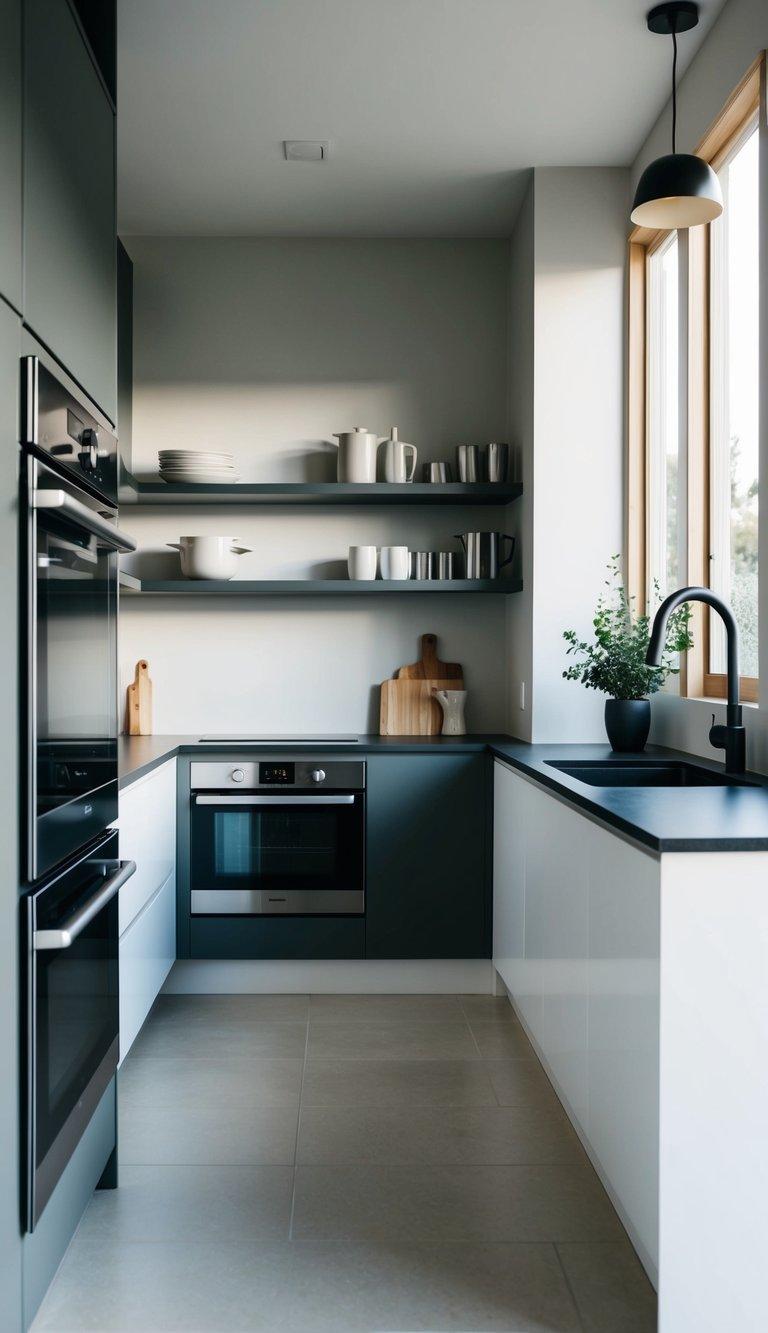
A single-wall kitchen layout efficiently utilizes space in smaller homes or apartments. This design places all cabinets, appliances, and countertops along one wall, creating an open and streamlined look.
Single-wall kitchens maximize vertical storage with tall cabinets and open shelving. Upper cabinets can extend to the ceiling to provide additional storage space.
Efficient workflow is achieved by arranging the refrigerator, sink, and stove in a logical sequence. This layout works well for individuals or couples who don't require extensive cooking areas.
9. Butler's Kitchen
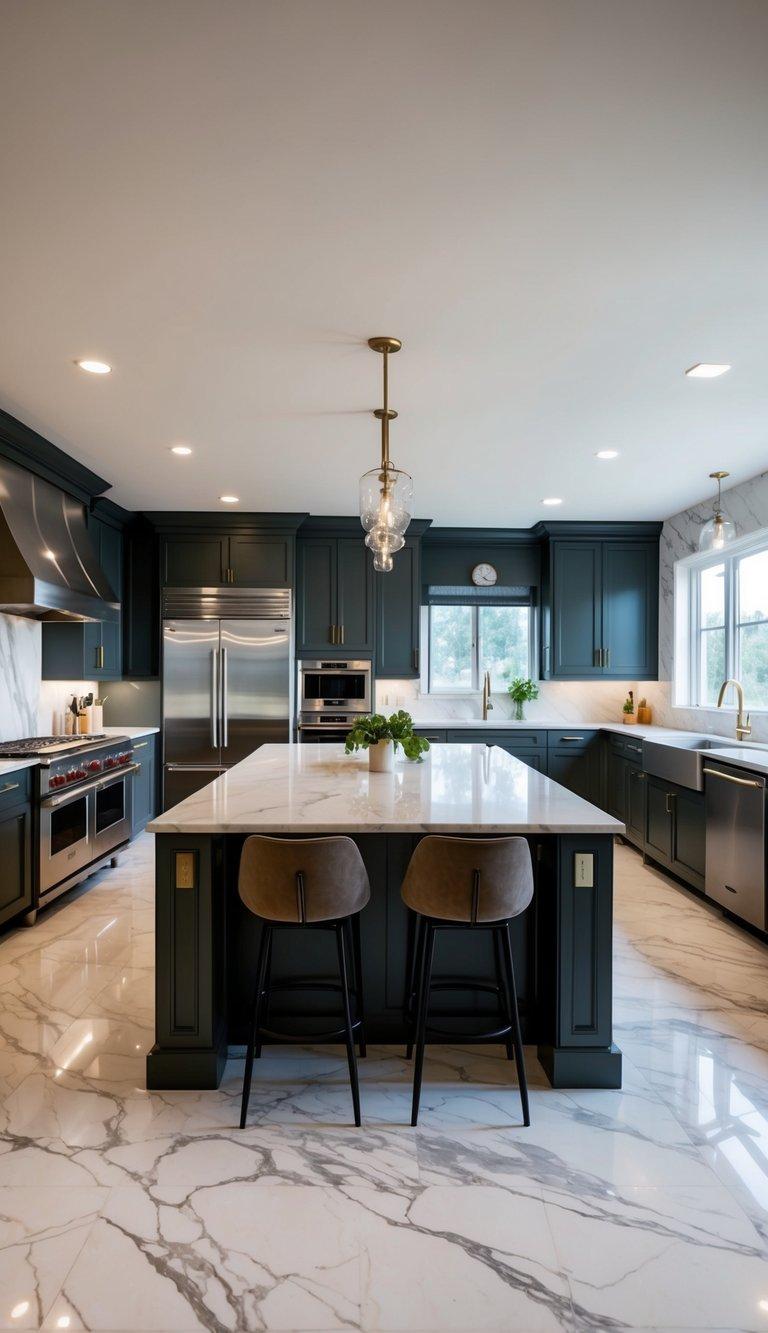
A butler's kitchen serves as a functional extension of the main kitchen. It offers additional storage and workspace, typically located between the kitchen and dining area.
This separate room houses extra appliances, dishes, and serving items. It provides a staging area for meal preparation and cleanup, keeping the main kitchen tidy during entertaining.
Butler's kitchens often feature custom cabinetry, countertops, and a sink. Some include refrigerators, warming drawers, or wine storage. The layout prioritizes efficiency and organization to support smooth service during meals and events.
10. Ergonomic Work Triangle
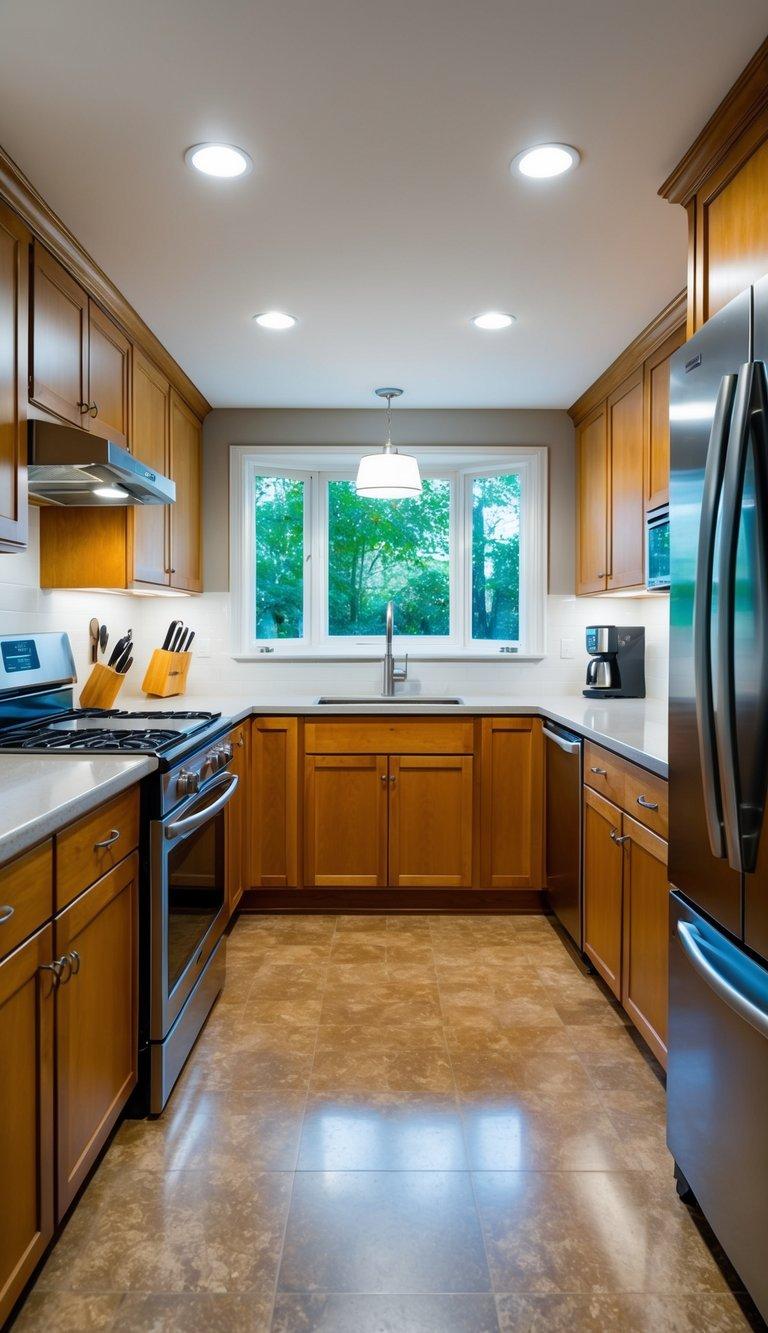
The ergonomic work triangle optimizes kitchen efficiency by connecting the three main work areas: sink, stove, and refrigerator. This layout minimizes unnecessary movement and reduces fatigue during meal preparation.
Ideally, the total distance between these points should be between 12 and 26 feet. Each leg of the triangle should measure between 4 and 9 feet for optimal functionality.
Designers recommend placing the sink between the refrigerator and stove. This arrangement allows for smooth transitions between tasks, such as washing vegetables and cooking.
11. Two-Cook Layout
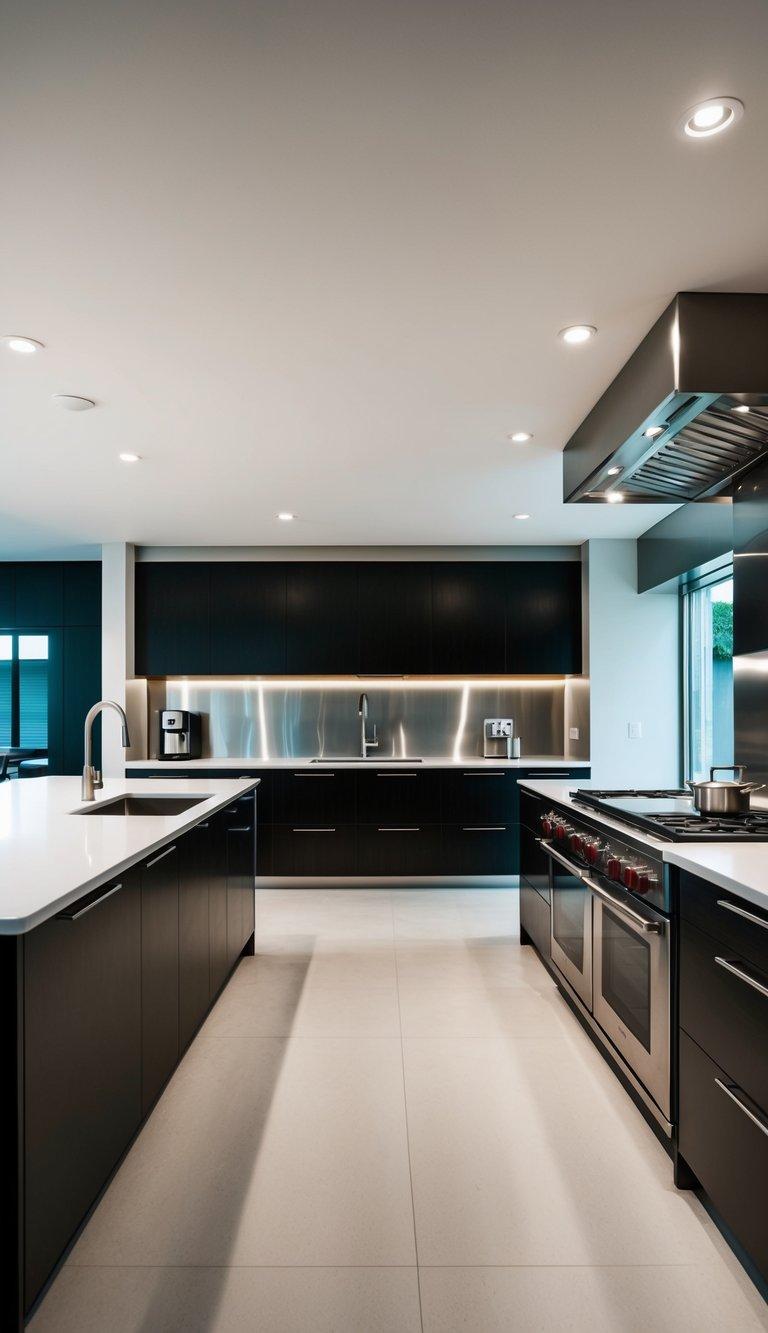
A two-cook layout is designed to accommodate multiple people working in the kitchen simultaneously. This configuration typically features dual work zones with separate prep areas, sinks, and appliances.
The layout often includes a central island that serves as a shared workspace and storage area. Placing key elements like stovetops and sinks on opposite sides of the kitchen helps prevent congestion and improves workflow.
Ample counter space and strategically placed storage solutions are essential in a two-cook layout. This design allows for efficient meal preparation and creates a more social cooking experience for couples or families who enjoy collaborating in the kitchen.
12. Eat-In Kitchen
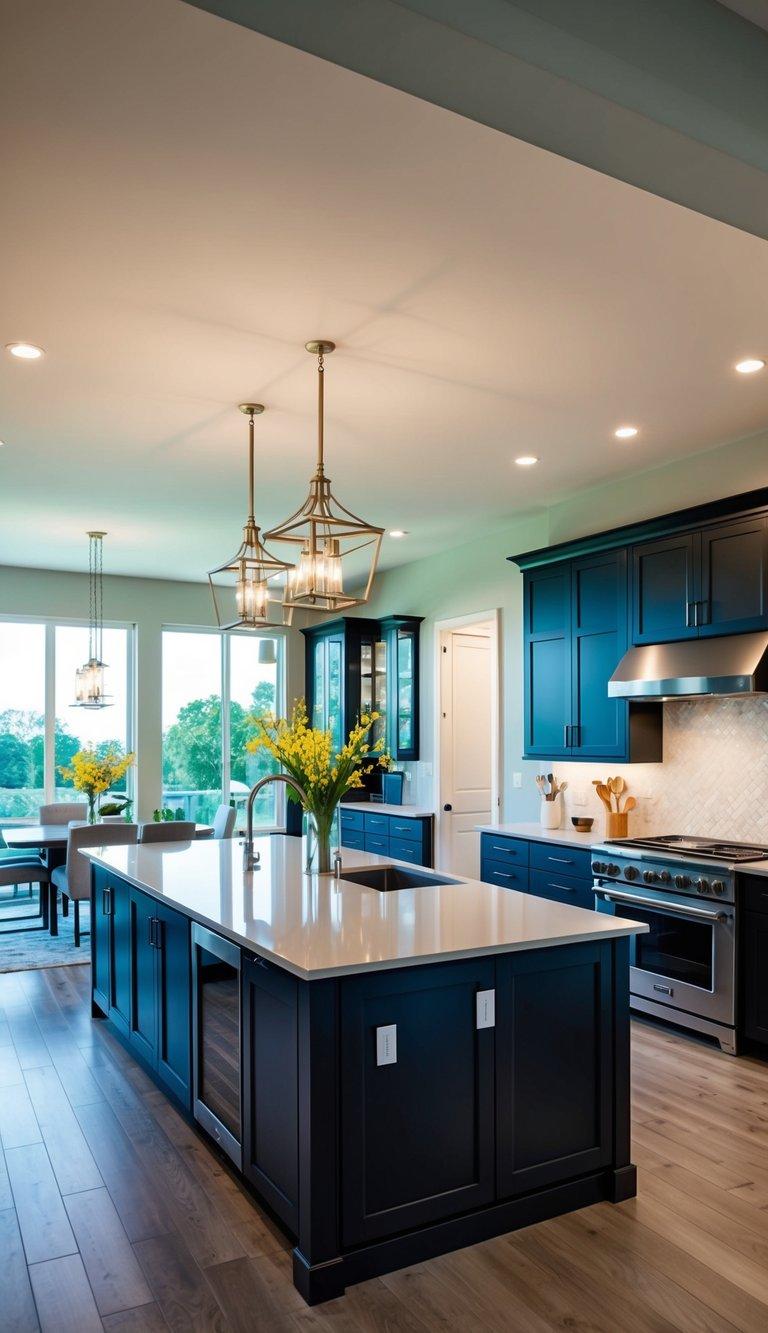
An eat-in kitchen combines the functionality of a cooking space with the convenience of a dining area. This layout incorporates a table or counter where meals can be enjoyed within the kitchen itself.
Eat-in kitchens come in various sizes and styles. Small apartments might feature a cozy breakfast nook, while larger homes could accommodate a full-sized dining table.
This design promotes a casual, sociable atmosphere. It allows for easy conversation between the cook and diners, making meal preparation and consumption a more integrated experience.
Eat-in kitchens can save space by eliminating the need for a separate dining room. They're practical for families with young children, enabling parents to supervise while preparing meals.
13. Outdoor Kitchen
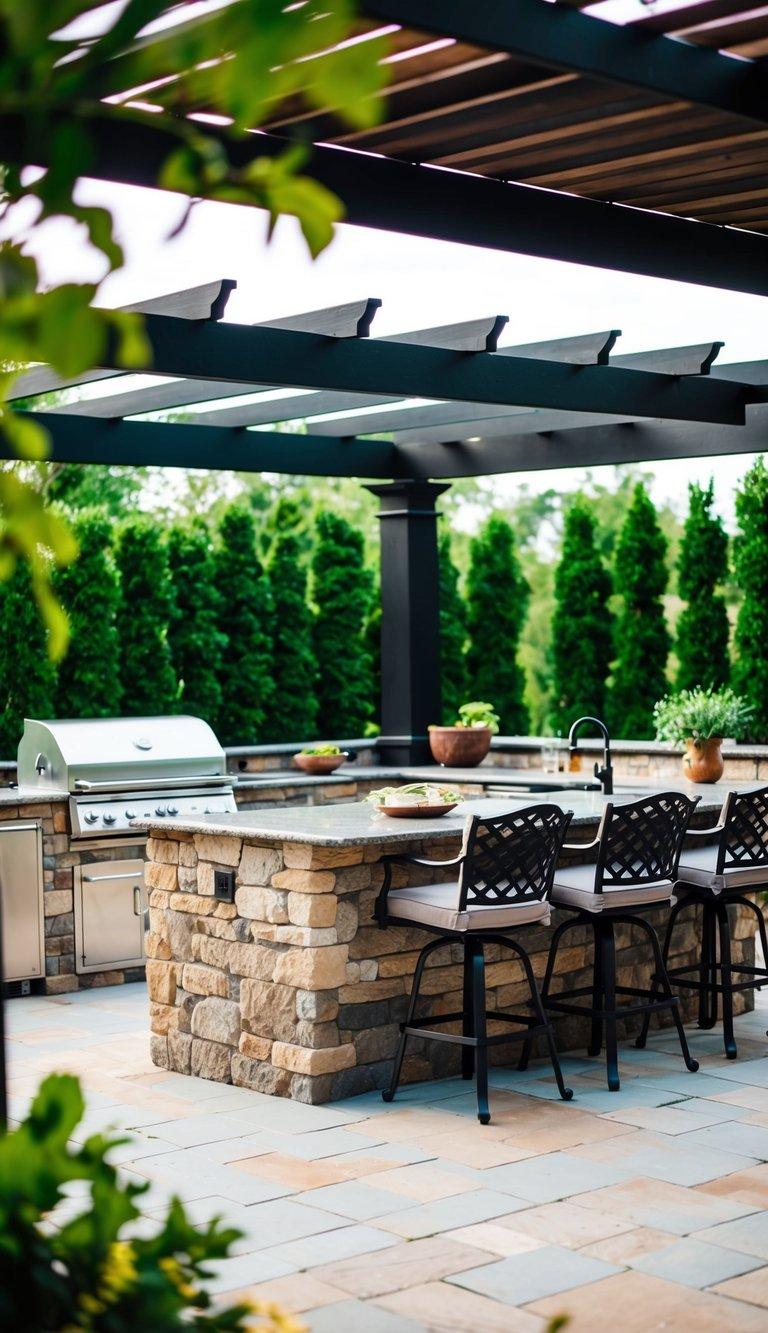
Outdoor kitchens extend living spaces and enhance entertaining options. These areas typically include a grill, countertop, and storage. Some designs incorporate refrigerators, sinks, and pizza ovens.
Positioning is crucial for outdoor kitchens. They should be close to the indoor kitchen for convenience. Shelter from sun and rain is important, often achieved with pergolas or awnings.
Durable materials like stainless steel and stone withstand weather conditions. Proper lighting ensures functionality after dark. Comfortable seating nearby creates a social atmosphere for guests to gather while meals are prepared.
14. Bistro-Inspired Kitchen
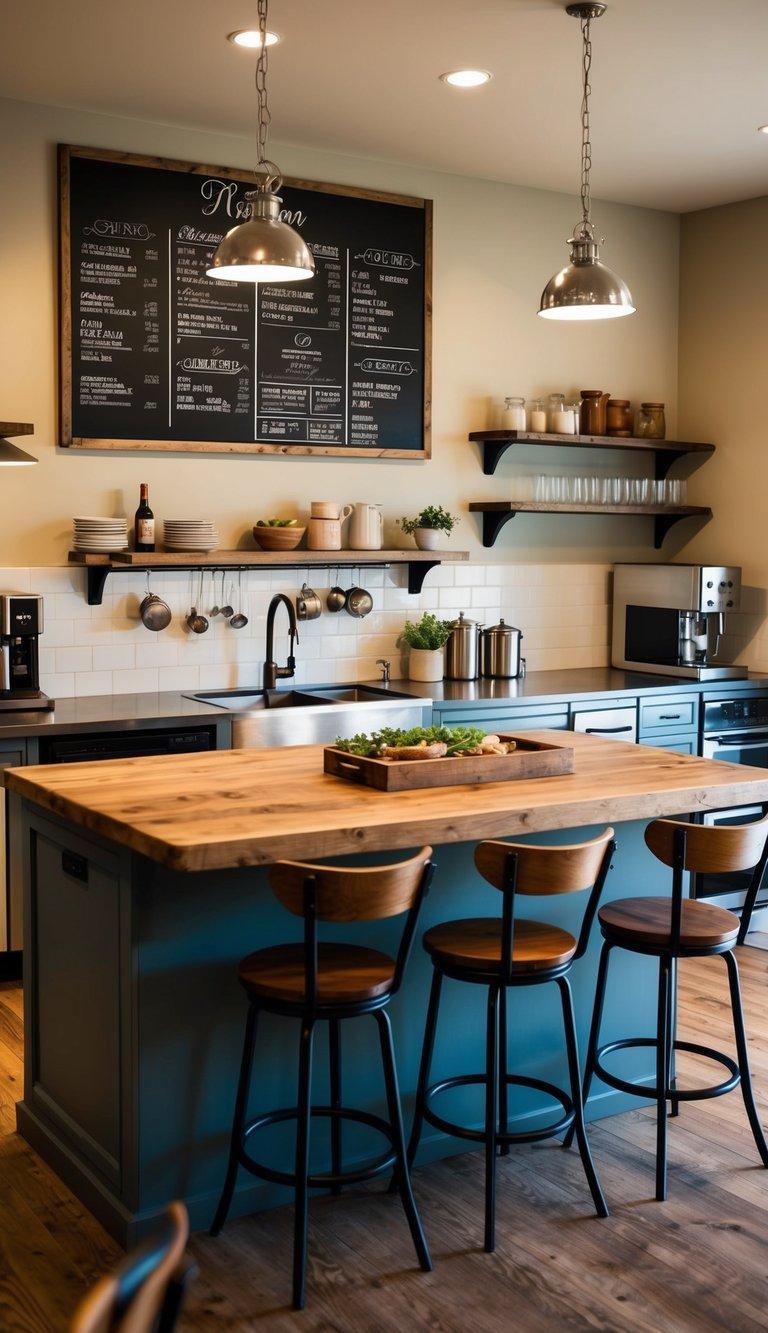
Bistro-inspired kitchens bring a touch of Parisian charm to homes. These designs feature a mix of rustic and elegant elements, creating a cozy yet sophisticated atmosphere.
Key components include open shelving for displaying dishes and cookware. Pendant lights with metal shades add a vintage feel. Subway tiles on walls and countertops provide a classic backdrop.
Bistro kitchens often incorporate a small eating area with a round table and cafe chairs. Wrought iron accents, like pot racks or wine racks, enhance the French bistro aesthetic.
15. Minimalist Modern Kitchen
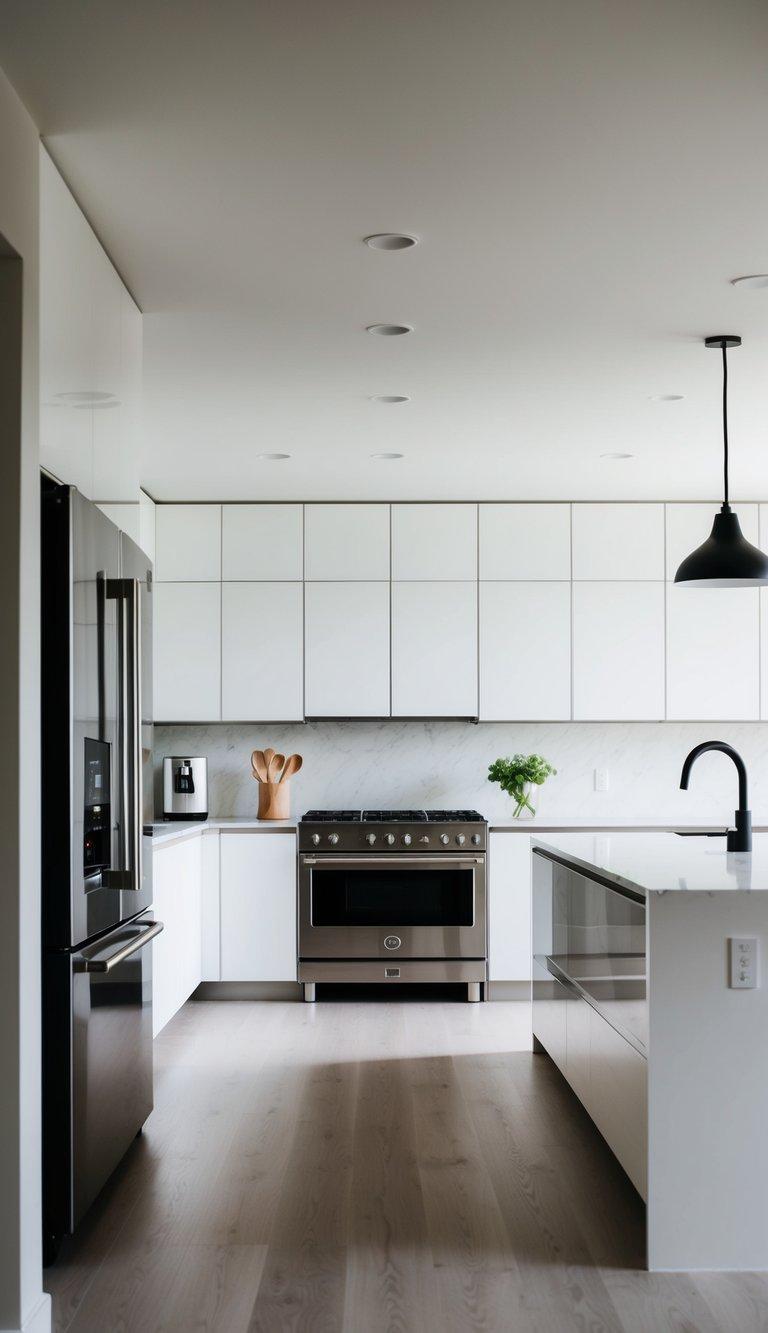
Minimalist modern kitchens embrace clean lines and uncluttered spaces. These designs focus on simplicity, featuring smooth surfaces and a neutral color palette.
Sleek cabinetry without handles creates a seamless look. Integrated appliances maintain the streamlined aesthetic, blending seamlessly with surrounding elements.
Open shelving replaces upper cabinets, providing a sense of spaciousness. A single countertop material extends throughout, enhancing visual continuity.
Lighting is often understated, with recessed fixtures or simple pendant lights. Natural materials like wood or stone add warmth to the otherwise austere space.
16. Rustic Farmhouse Kitchen
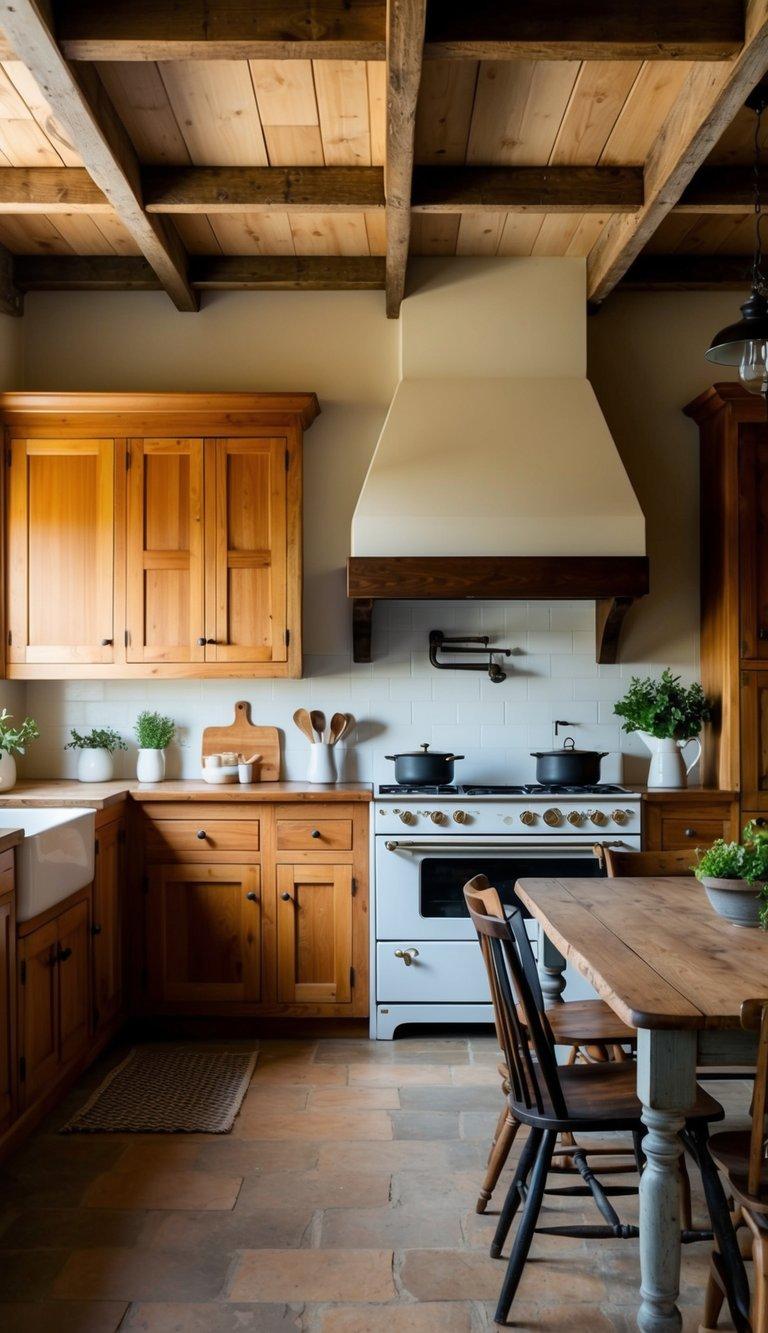
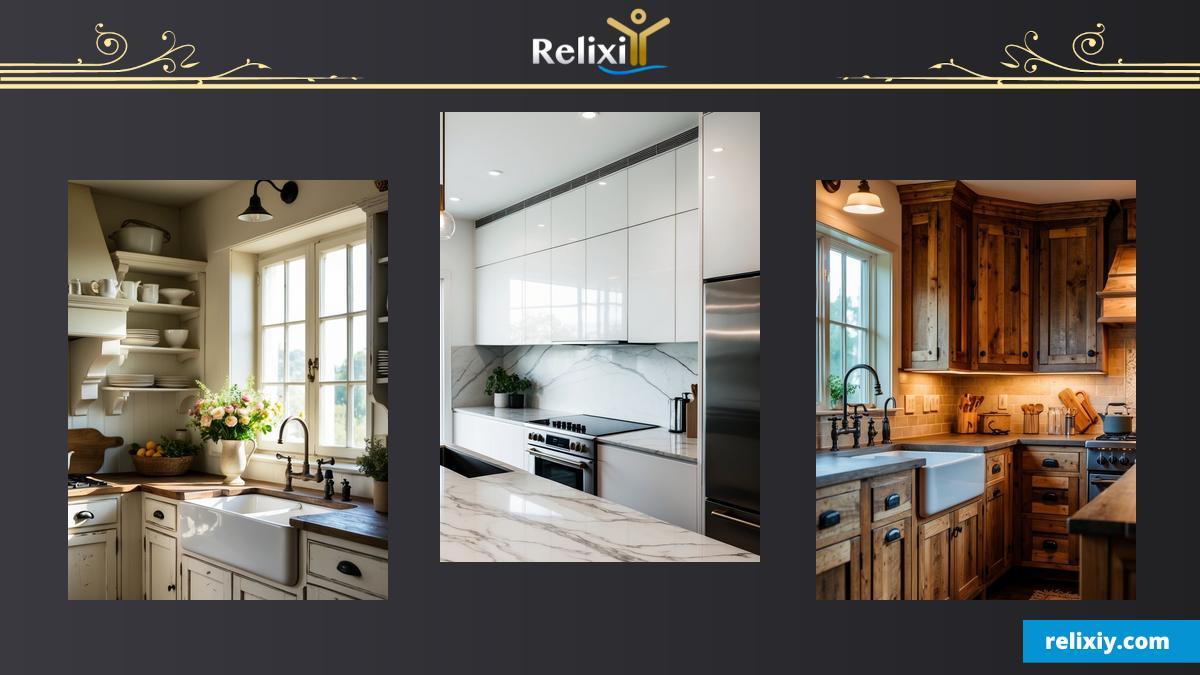
Rustic farmhouse kitchens blend cozy charm with functional design. Natural wood elements feature prominently, often showcasing exposed beams or reclaimed wood countertops.
Vintage-inspired fixtures and appliances add character, while open shelving displays antique dishes or mason jars. Farmhouse sinks and butcher block islands are common focal points.
Neutral color palettes dominate, with whites, creams, and earth tones creating a warm atmosphere. Textured surfaces like brick backsplashes or stone flooring enhance the rustic appeal.
17. Industrial-Style Kitchen

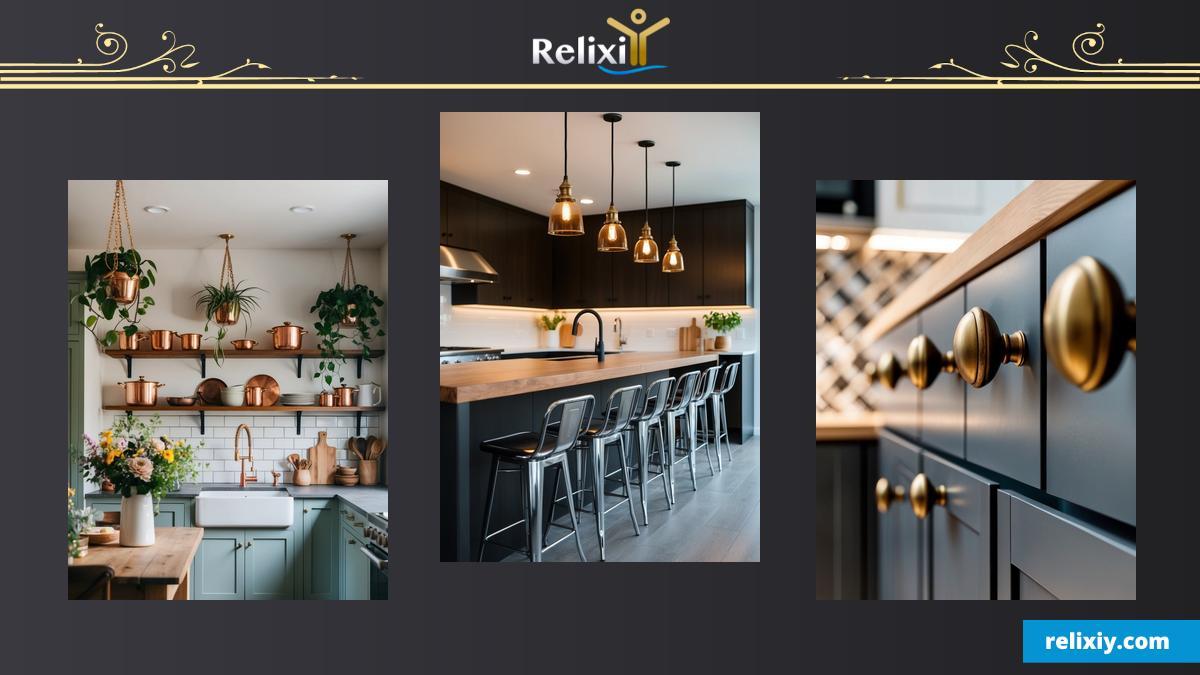
Industrial-style kitchens blend raw materials with functional design. Exposed brick walls, concrete floors, and metal accents create a rugged aesthetic. Stainless steel appliances and fixtures complement the industrial look.
Open shelving displays cookware and ingredients, adding to the utilitarian feel. Pendant lights with metal shades illuminate work areas. Reclaimed wood elements can soften the space and add warmth.
A large island with a butcher block top serves as a focal point. Metal stools provide seating. Pipes and ducts left exposed on the ceiling complete the industrial vibe.
18. Scandinavian Simplicity
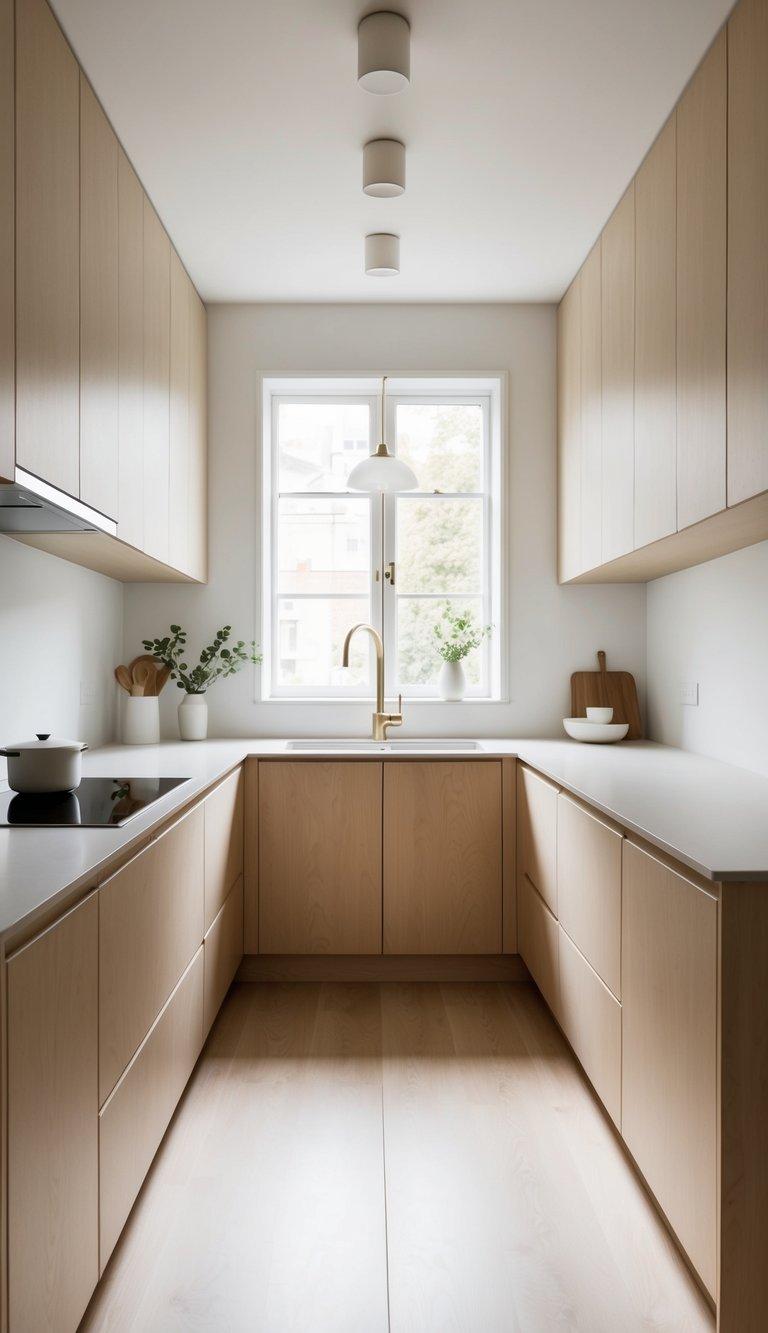
Scandinavian kitchen design embraces minimalism and functionality. Clean lines, light colors, and natural materials define this style. White walls and cabinets create a bright, airy atmosphere.
Open shelving displays carefully curated items, reducing visual clutter. Wooden accents add warmth to the space, often seen in flooring or countertops. Stainless steel appliances complement the sleek aesthetic.
Lighting fixtures feature simple geometric shapes. Large windows maximize natural light, a key element in Scandinavian interiors. This design approach creates a calm, uncluttered kitchen environment.
19. Eclectic Mix Design

Eclectic mix design combines various styles, colors, and textures to create a unique kitchen space. This approach allows homeowners to express their personality through diverse elements.
In an eclectic kitchen, vintage pieces can coexist with modern appliances. Mixing different cabinet finishes or countertop materials adds visual interest and depth to the room.
Bold color choices and unexpected pattern combinations are hallmarks of eclectic design. Incorporating statement lighting fixtures or quirky decorative items further enhances the eclectic feel.
Eclectic kitchens often feature open shelving to display an assortment of cookware, dishes, and collectibles. This layout strategy showcases the homeowner's curated mix of items while maintaining functionality.
20. Traditional Country Kitchen
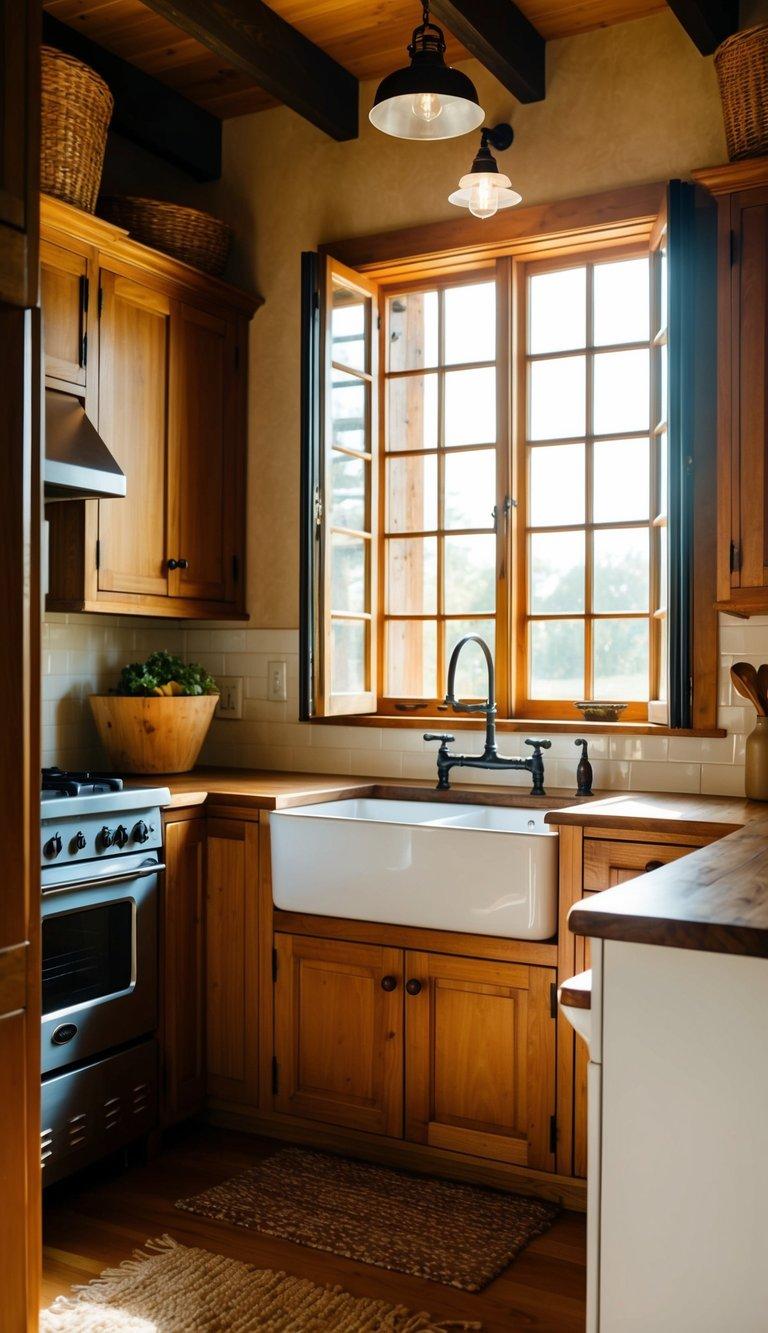
Traditional country kitchens exude warmth and rustic charm. These spaces often feature natural materials like wood and stone, creating a cozy atmosphere.
Farmhouse sinks and vintage-inspired appliances are common elements. Open shelving displays collectibles and everyday dishes, adding character to the room.
Soft, muted colors like cream, sage green, and pale blue are popular choices for walls and cabinetry. Gingham curtains and floral patterns contribute to the classic country aesthetic.
A large wooden table serves as a gathering spot for family meals and informal entertaining. Copper pots hanging from a ceiling rack add a practical yet decorative touch to this timeless kitchen style.
21. Retro Vibes Kitchen
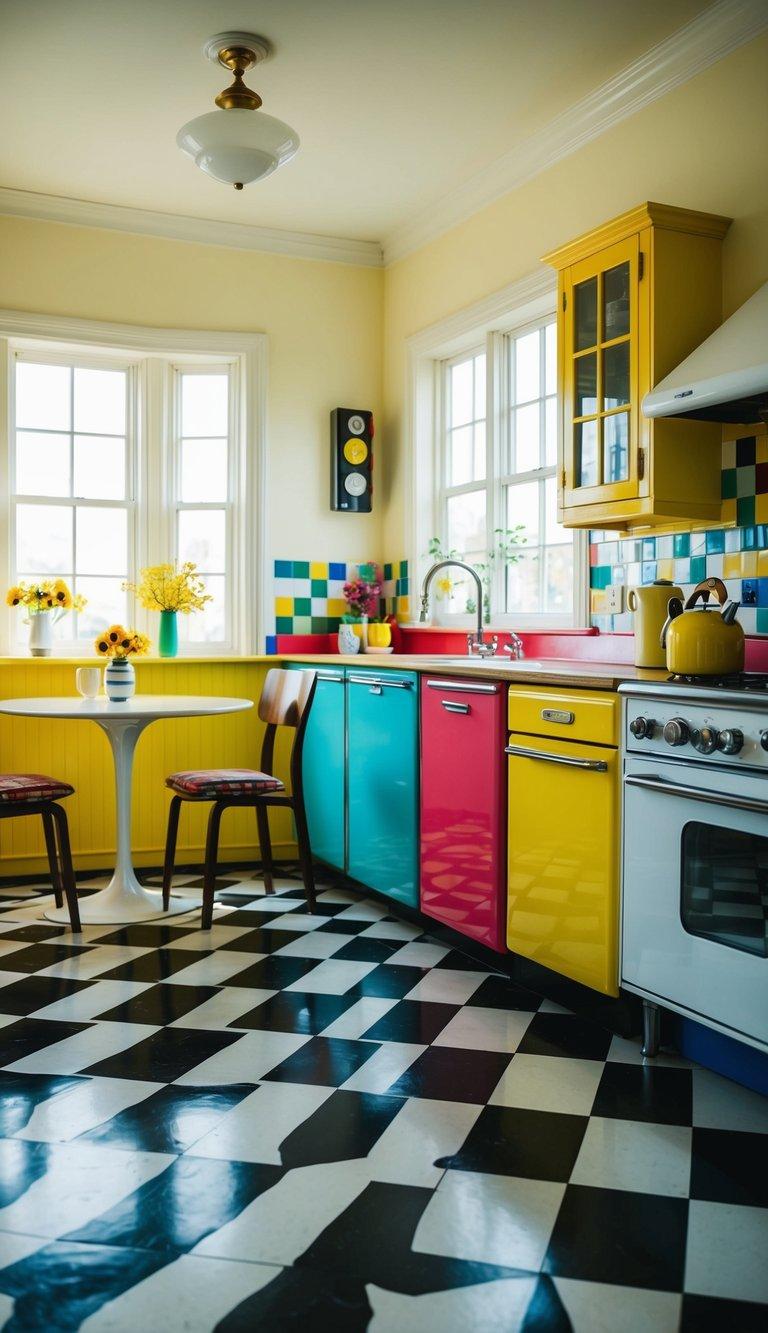
Retro kitchens bring a fun, nostalgic atmosphere to the heart of the home. These designs often feature bold colors like turquoise, yellow, or cherry red. Vintage-inspired appliances, such as pastel-hued refrigerators or retro-style ovens, add authentic flair.
Checkered floors in black and white create a classic 1950s diner look. Chrome accents on cabinets and bar stools further enhance the mid-century aesthetic. Rounded edges on countertops and cabinet corners soften the space.
Decorative elements like old advertisements, vintage clocks, or kitschy salt and pepper shakers complete the retro ambiance. These kitchens blend modern functionality with charming throwback style.
22. Mediterranean Flair Kitchen
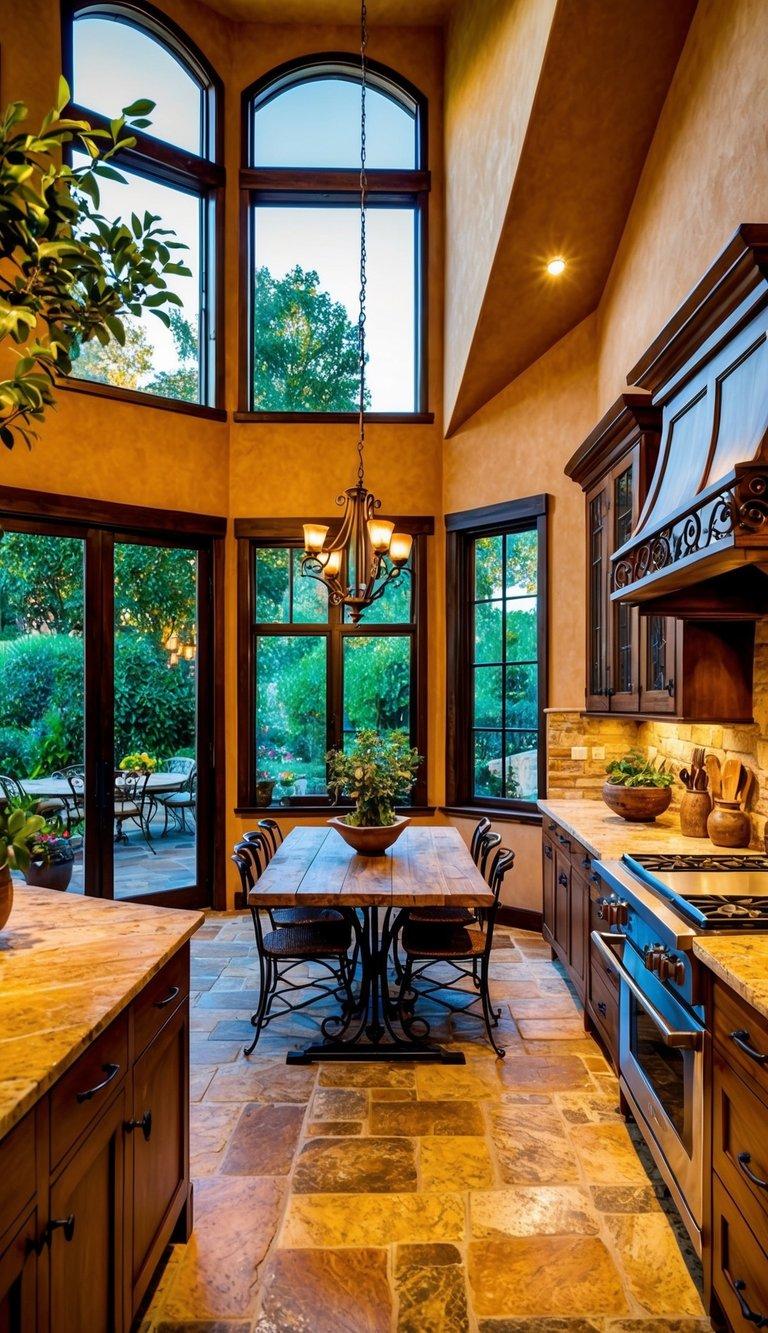
Mediterranean kitchens bring warmth and rustic charm to homes. Terracotta tiles and warm-toned stone floors create an inviting foundation. Whitewashed walls and blue accents evoke coastal vibes.
Open shelving displays colorful ceramics and copper cookware. A large farmhouse sink and wrought iron fixtures add authentic touches. Natural wood elements like ceiling beams or a butcher block island enhance the rustic feel.
Herbs growing in terra cotta pots bring freshness and aroma. Textured fabrics in earthy tones complete the Mediterranean ambiance. This kitchen style embraces a relaxed, lived-in aesthetic perfect for gathering and entertaining.
23. Contemporary Sleek Kitchen

Contemporary sleek kitchens emphasize clean lines, minimal ornamentation, and a streamlined aesthetic. These spaces often feature flat-panel cabinets in neutral tones or high-gloss finishes.
Stainless steel appliances and sleek hardware complement the modern look. Countertops are typically made of smooth materials like quartz or polished concrete.
Lighting plays a crucial role, with recessed fixtures and under-cabinet LEDs providing a bright, even illumination. Open shelving or glass-front cabinets can add visual interest while maintaining the uncluttered appearance.
Understanding Kitchen Layout Fundamentals

Efficient kitchen layouts optimize functionality and workflow. A well-designed kitchen considers key elements like work zones, traffic patterns, and ergonomics to create a space that enhances cooking and entertaining experiences.
Work Triangle Concept
The kitchen work triangle connects the three primary work areas: refrigerator, sink, and stove. This concept aims to minimize movement between these stations. Ideally, the total distance between these points should be between 13 and 26 feet.
Each leg of the triangle should measure between 4 and 9 feet. This arrangement reduces unnecessary steps and improves efficiency during meal preparation. The work triangle should not be interrupted by major foot traffic.
Designers often use this principle as a starting point for kitchen layouts. It helps determine the placement of key appliances and workspaces.
Traffic Flow Considerations
Effective kitchen design accounts for traffic patterns to prevent congestion. Main pathways should be at least 36 inches wide to allow easy movement.
Placing the refrigerator at the triangle's outer corner provides access without disrupting the cook's workspace. This allows family members to grab snacks or drinks without interfering with meal preparation.
Consider creating separate zones for cooking, cleaning, and food storage. This approach helps multiple people work in the kitchen simultaneously without collisions.
Islands or peninsulas can define traffic routes and provide additional work surfaces. Ensure at least 42 inches of clearance around these features for comfortable movement.
Optimizing Space In Different Kitchen Layouts
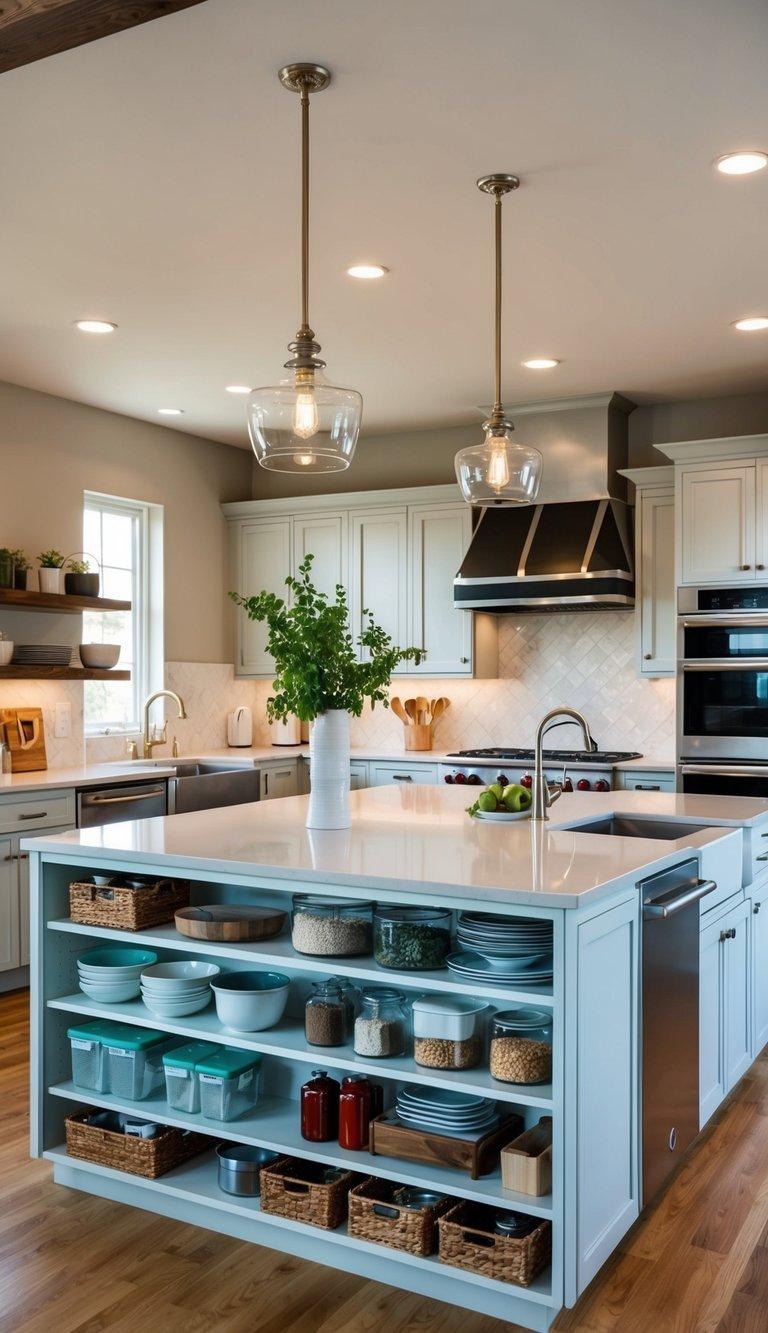
Efficient kitchen layouts maximize functionality while minimizing wasted space. The right design can transform even small kitchens into highly practical cooking areas.
Maximizing Functionality in L-Shaped Kitchens
L-shaped kitchens offer versatility and efficient workflow. Place the sink and dishwasher on one leg of the L, with the refrigerator and cooking area on the other. This creates a compact work triangle for easy movement.
Use corner cabinets with pull-out organizers to access hard-to-reach spaces. Install a lazy Susan in blind corners to maximize storage. Vertical storage solutions like tall pantry cabinets or pull-out spice racks utilize wall space effectively.
Consider adding an island or peninsula if space allows. This provides extra counter space and storage while creating a natural divide between the kitchen and adjacent areas.
Innovative Solutions for U-Shaped Kitchens
U-shaped kitchens provide ample counter space and storage options. Optimize the layout by positioning the sink, stove, and refrigerator on separate walls to create an efficient work triangle.
Use open shelving on one wall to display dishes and frequently used items. This adds visual interest and keeps essentials within easy reach. Install pull-out drawers in lower cabinets for better organization and accessibility.
For narrow U-shaped kitchens, consider removing upper cabinets on one side to create a more open feel. Replace them with a single floating shelf or pot rack to maintain storage without sacrificing space.
Incorporate a small dining nook or breakfast bar at the open end of the U to maximize functionality. This adds seating without disrupting the kitchen's flow.
Related Topics: